
Connecting through New Brunswick’s often-overlooked national park
Even though 82 per cent of Canadians live in cities, according to the 2021 census, many of them would define the country’s essence as our great outdoors. We’re proud of the lakes, forests, mountains, and rivers that make up our land. Nowhere is this love of nature more apparent than in the number of Canadians who visit our national parks, more than 15 million a year, according to government figures.
A first visit to a national park is a rite of passage for a child and equally enjoyable for the rest of the family. In Atlantic Canada there is no better place to do that than Kouchibouguac National Park on New Brunswick’s eastern shore. Here’s why, as I found out when visiting with my son and his five-year-old daughter.
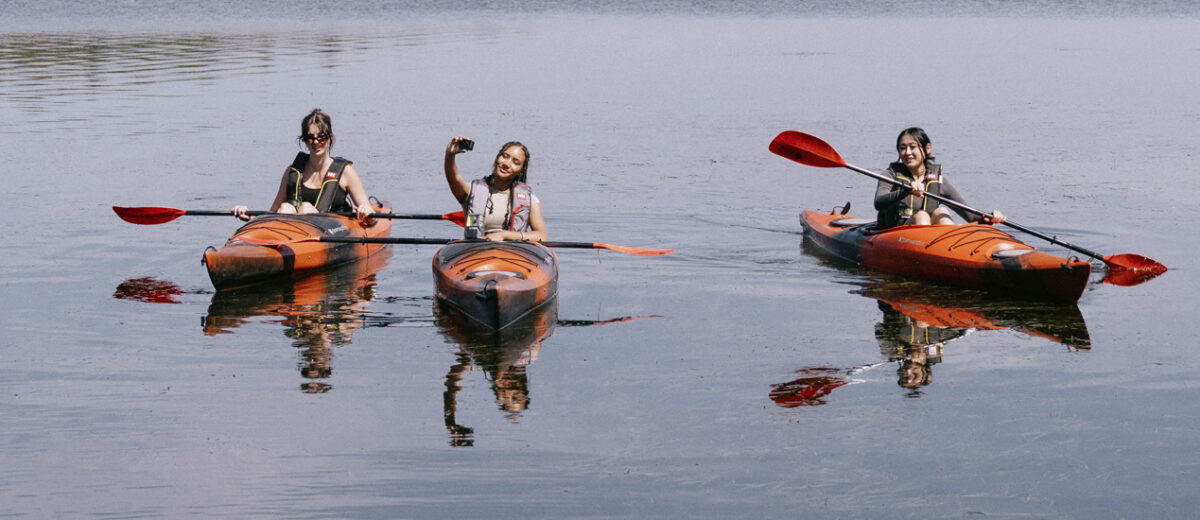
Kouchibouguac, about 130 kilometres from Moncton and 300 kilometres from Halifax along the Acadian coastal drive, was established in 1969 to protect and enhance the estuary of the Kouchibouguac River and the many kilometres of sand dunes that have created a natural barrier behind some of the gentlest waters in the Maritimes. This has created the perfect environment to learn canoeing. Young children can be a bit apprehensive about getting into a canoe for the first time, but as my granddaughter quickly learned, after my son and I paddled away from the wharf at the Ryans Rental Centre, there was nothing to fear. The Kouchibouguac River is slow flowing, and she was soon pointing out great blue herons and some of the common terns that nest in the park. She was fascinated as the terns dived for small fish only metres away from the canoe.
The more experienced parent or grandparent can rent paddleboards here too. Several couples were taking their small children with them on their paddleboards.
It’s not just the waters of Kouchibouguac that are gentle. The land is as well, with virtually no changes in elevation, making it the perfect place for a child to learn to cycle. When the park was first planned, there were a number of small villages along the river that were connected by a series of roads. In a controversial move, the federal government expropriated land and homes from about 1,200 people to create the park. Today these former roads have transformed into 60 kilometres of bike paths that connect all the major campgrounds, beaches, trailheads, the canteen and the Visitor Centre. The only catch is that there are currently no bike rentals, so visitors need to bring their own.
The waters of the Northumberland Strait are among the warmest in Canada, and Kelly’s Beach, which stretches for many kilometres along the outer dune, is the perfect spot to enjoy them. Just getting to the beach is a fun experience. A 500-metre raised boardwalk passes over a tidal lagoon where shorebirds, crabs, great blue herons, and other creatures abound.
The beach is composed of fine sand, perfect for building sandcastles and other constructions. Or maybe it’s more fun to just bury a parent up to their neck. Once it’s time to go for a swim, there’s a large area cordoned off where lifeguards are on duty, and the water is quite shallow. This was my granddaughter’s first experience with salt water, she being an Albertan, and after being a bit shocked at first by the salty taste, soon took to it like a water baby.

Not to be overlooked are Kouchibouguac’s 10 hiking trails, of which nine are designated as “easy,” making them quite doable even for a five-year-old. The Bog trail leads to an easy to climb tower from which there is a panoramic view of a peat bog and the chance to spot a moose. Other trails feature saltmarshes, river frontage, and Acadian forest.
One of the activities that most captivated both my son and granddaughter was the Introduction to Geocaching program. This is a one-hour program that starts outside the visitor centre with an explanation of what geocaching is and how to use the GPS on your cell phone to find the hidden caches. After that, the guide lets the group loose to find three geocaches located nearby. The look of wonder on my granddaughter’s face as she found her first geocache hidden in the hollow of a tree was priceless. Parks Canada provides a passport which you punch with a unique tool found in each geocache and then, upon returning to the Visitor Centre with proof that you found the geocaches, receive a special geocoin for your efforts.
There is one special activity at Kouchibouguac, an introduction to parts of the park you can only reach by boat. This is the Phoca Tours Marine Wildlife Safari that departs from just outside the park boundary and heads down the Little Kouchibouguac River to the outermost dunes, where the largest herd of grey seals outside of Sable Island is found. The tour also passes by the second largest colony of common terns in North America. The trip is narrated in English and French, and aside from learning about the seals, terns, and eagles, you’ll discover a lot about the history of the area. Binoculars are provided.
There are several options with respect to accommodation both inside and outside the park. Inside, there are the 311 serviced campsites at the South Kouchibouguac campground where you can pitch a tent or bring your own RV. There are also a dozen of the popular oTentiks that are a combination of a tent and a cabin. Reservations for these should be made well in advance of your visit.
Outside the park there are only a few choices nearby, but the Kouch Chalets has everything one could ask for when you are travelling with grandchildren. The playground here is excellent and even includes a kid’s zipline. The chalets have up to three bedrooms and are equipped for housekeeping.