
With the onset of winter, the outdoor garden is closed for another year, and we focus on indoor plants, especially around the holidays of the season: Christmas, Hanukkah, Kwanzaa, and New Year’s. Mention holiday plants to many people, and they’ll promptly think of Christmas cactuses and poinsettias, but there are many other great choices in flowering and foliage plants for brightening the indoors with living plants. Given a fancy pot and a garnish of ribbon or sparkly ornament, they also work beautifully as a hostess gift when you’re attending a party.
Whatever you choose to purchase, ensure the plants are healthy. Do you see any yellowing or brown foliage? Are there signs of insect pests such as fungus gnats, spider mites, or aphids? If the answer is yes, leave the plant there. You don’t want the aggravation of a dying plant or one that introduces insect pests to the plants in your home.
Does the plant appeared to be properly watered, or is there wilting or signs of root rot? Is the plant pot the right size for the plant?
Whatever you select for a plant, it should be in a nursery pot with drainage holes in the bottom, and you can easily slip plant, pot and all into a more decorative container. Chances are you won’t need to repot the plant, especially if it’s something like a poinsettia that you will keep until winter is over and then compost, but there certainly are decorative holiday plants that you can keep far longer than the season. And if you don’t want to try to nurture your poinsettia or your amaryllis or azalea through the year, it’s OK to compost them. I’ll never tell.
Great plants for winter décor
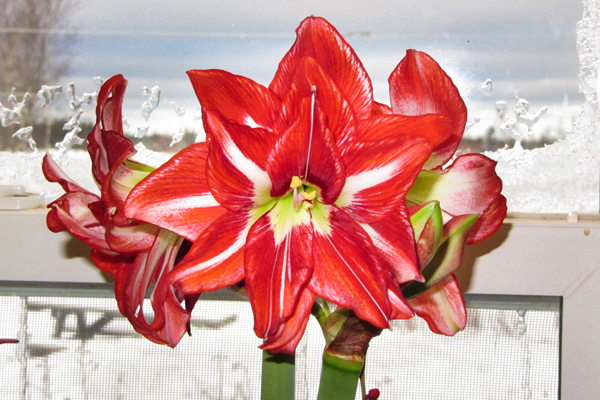
Amaryllis. These huge bulbs produce tall stems with clusters of equally huge flowers on them, in shades from pristine white to shades of red and orange and bicolour. Sold individually as bulbs, plant into a tall and heavy pot to compensate for the weight of the stem and flowers.
Anthurium. A personal favourite because of their glossy green leaves and showy, unique flowers, which can be red, white, green, purple, pink, or orange. This easy care houseplant will bloom for weeks on end.
Azaleas. These aren’t the hardy shrubs many of us grow in our gardens, but an evergreen and more warm-climate form, producing clusters of petite flowers in shades of red, pink and creamy white. They can be prone to root issues and don’t like cold drafts.
Cyclamen. This bulbous perennial plant can be a bit of a diva, but its long-lasting flush of jewel-toned flowers make it work a little extra care. Don’t let it wilt nor overwater it, which often will make it wilt. The patterned foliage is as glorious as the flowers.
Holiday cactus. There are separate species of these flowering cacti that bloom at Thanksgiving, Christmas, or Easter. They’re equally showy and come with different flower colours, including the traditional red, white, and orange forms, plus magenta, and even a golden variety. Sometimes they rebloom throughout winter.
Moth orchids. Sometimes referred to as grocery store orchids because they are ubiquitous, these are the easiest of flowering plants. They can take low-light conditions and are usually planted in quick draining bark or peat moss, requiring watering at least once weekly.
Paperwhites, hyacinths, and narcissus. Buy these bulbs at reputable nurseries and garden centres, and plant them up right away; they’ve been pre-treated with cold temperatures so that they will wake up, sprout, and bloom around Christmas. Once their flowers are spent you can compost the bulbs or nurture them through the winter and plant in your garden in spring.
Peace lily. Often given as a Hanukkah gift, the pristine white flowers of this easy-care plant are striking and eye catching.
Poinsettias. These may seem a bit cliché but there are so many spectacular varieties at great price points, it’s hard to resist the colourful flowering plant. Keep away from drafts in your house, and water before the plant starts to wilt, and a poinsettia will reward you for many showy weeks.
Rosemary. One of the most beloved of culinary herbs, rosemary is sometimes sold shaped into a miniature Christmas tree form at this time of year. You can try planting this out come spring, or keep it in the house year-round for its great fragrance and of course for its use as a herb.
Wintergreen. This native North American groundcover is related to rhododendrons and azaleas and is known for its distinctive wintergreen scent to its glossy foliage and bright red, edible berries. Usually sold in containers for the indoor season, you can easily planted it in your garden come spring.
Beyond potted plants: décor with cut flowers and other items
Just because the weather can be frightful this time of year, that’s no reason to not add fresh flowers and other accents to your holiday décor. Red, green and white are often considered the traditional Christmas colours, so floral arrangements with these shades in chrysanthemums, carnations, roses, plenty of greenery and baby’s breath are very popular choices. If your tastes run to less conventional colours, try purple and blue orchids (often dyed but long lasting).
Hanukkah is a Jewish holiday with deep historic roots, although today the eight-day-long celebration often coincides with the Christmas season and is known as the Festival of Lights. White and blue cut flowers such as carnations, delphinium, irises, and freesia are popular for Hanukkah decoration, to echo the flag colours of Israel.
The traditional colours of the African-originated holiday of Kwanzaa are red, black and green, and since the holiday celebrates harvest, family and culture, often produce of the season is incorporated into holiday celebrations. Corn is especially important, but you’ll often see traditional Christmas plants such as poinsettias used, as well as cut flower arrangements, apples, and Black Pearl ornamental pepper plants.