
As the season shifts to fall, gardeners shift their activities too. We think of autumn as the time for planting bulbs, and that’s true, but you can continue to plant perennials, trees, shrubs and, even cool-season veggies like spinach, radish, and other greens. Here are a few suggested to-dos for nice fall days.
Take photos
Maybe your garden isn’t looking like it did in high summer but taking a few photos around the yard will remind you of what is planted where, and help plan if you’re thinking about moving plants. You won’t remember which of those 33 daylilies you were going to move without photos and labels. Likewise, make some notes, in a garden journal or notebook (digital or physical) about what worked well this year, the names of specific annuals you love and will want to get next year, (‘Bee’s Knees’ petunia is a must-have for me). If you grow vegetables, which of your 15 kinds of tomatoes did you like the best? Did the cucumber beetles attack your squash and cukes?
Blessed bulbs
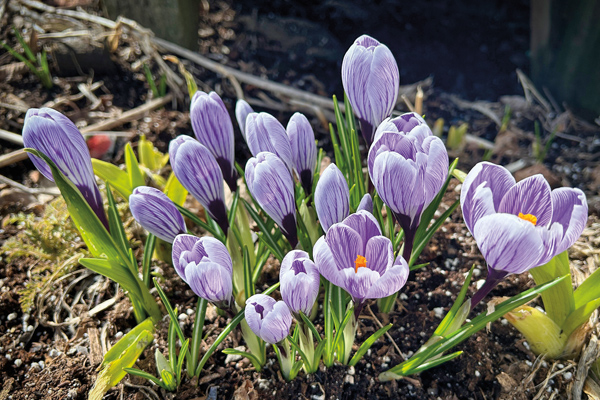
Mention spring bulbs and we think of tulips, daffodils, hyacinths, and crocus. Deer and other pests that fancy a flowery snack plague some of these. Tulips are especially susceptible to deer damage, so instead of frustration over those, choose bulbs that deer don’t eat. These include daffodils, which come in many forms and combinations of white, yellow, pink, and orange hues, plus flowering onions or alliums in an array of sizes and colours, with striking globe-shaped flowers and some of the smaller bulbs like glory-of-the-snow, scilla, grape hyacinths and snowdrops, which will spread politely and make a welcome mat of colour come spring.
When planting bulbs, you’ll get the best visual bang for your buck from planting the same colours in groupings of uneven numbers, so they don’t look too uniform. Planting a mixture of colours together doesn’t produce the same effect as a group of all-red tulips or all blue crocuses. Likewise, drifts of colour will help attract early waking pollinators.
Divide and move
Although we do most of our perennial dividing and moving in the spring, certain types do best if left alone until later in the year. Dividing rejuvenates a perennial that may be slowing its bloom, plus you get extra plants to share with others. Maybe a peony has been sulking in too much shade and wants more sun. Before you put away your shovel, dig and divide or move peonies, all types of irises, astilbes, daylilies, hostas, Oriental poppies, and ferns.
Garden cleanup?
Some people leave the perennial stems and fallen leaves until spring, to provide shelter for wildlife including overwintering pollinators. Others want everything tidy and shipshape at the end of the growing season so they can get right into planting once spring rolls around. I’m in the first camp because autumn is always busy and I like to embrace the fallen leaves as a protective mulch for perennials. Plus, many perennial seedheads and stems offer great winter interest.
And more cleaning up
On a nice autumn day, it’s always pleasant to do some of the non-plant related cleanup. See to your garden tools, making sure the blades are clean, sharpened, and lightly oiled to protect from rust. If your tool handles are wooden, oil them to keep them from becoming brittle. Reusable plant pots benefit from being emptied of their soil, cleaned with soapy water and a bit of bleach, then left to dry thoroughly before storing for the winter. Disconnect portable water features such as fountains or birdbaths. Also clean and dry them before storing.
Saving plants to overwinter?
Some of the favourite plants of summer are not hardy here, such as summer bulbs: dahlias, begonias, gladiolus, canna lilies, and other showy flowering plants. You can opt to lift the bulbs before a hard freeze, clean them of excess soil, and store them in a basement or other spot that won’t freeze over winter.
Or you can send them to the great compost pit in the sky, the same as you do with your containers of annual geraniums, African daisies, and other annuals. Since I embrace the “work smarter, not harder” school of gardening as I get older, I just compost mine, guilt free. That way I can support our local nurseries next spring by buying more plants.
Preparing the lawn for winter
Keep cutting the grass. Raise your mower deck an inch or so to leave the grass longer than usual. This helps to shade out weed seeds that might try to emerge.
Rake off fallen leaves. These can shade out your lawn and kill the grass under them. When you rake, go in just one direction to avoid damaging the grass plants and their roots.
Dethatch and aerate your lawn. This helps break up compacted soil so more nutrients reach the roots. You can dethatch with a brisk raking. There are assorted handy tools for doing the aerating, which pokes small holes in the lawn, allowing more air, moisture, and water to reach the roots.
Apply a slow-release granular fertilizer in late fall before it snows. This helps build strong roots on the grass and also stores nutrients for that first flush of growth in spring.
Plant for fall colour
Many garden plants provide excellent fall foliage colour. For trees, try native red maple, serviceberry, or ginkgo. If you’re into shrubs, some hydrangeas have rewarding fall foliage, plus their blooms change colour as the season winds down. Other fall foliage shrub stars include sumac, spirea, some rugosa roses, fothergilla, Japanese maples, highbush blueberries, witch-hazel (the native one flowers in autumn, too), and viburnums.
Some of my favourite perennials show off best well into autumn, including New York ironweed (Vernonia), tall asters such as ‘Alma Potschke,’ Japanese anemones, ‘Lemon Queen’ perennial sunflower, massive-flowered luna hibiscus, rattlesnake master (Eryngium yuccafolium), sedums such as ‘Autumn Joy,’ and many of the tall grasses, including Japanese silver grass (Miscanthus, various cultivars), switchgrasses (Panicum) and Big Bluestem (Andropogon).
Ask the Garden Guru
Q: Does it matter if your bulbs aren’t planted right side up?
A: Not really. Although bulb sellers always recommend planting bulbs with the pointy end up, not all species have easily recognized points. If you can determine the side of a bulb, plant it on its side. And even if you were to plant bulbs like tulips upside down, they still will find the soil surface when it’s time. They might be a bit slower to emerge than other bulbs, but they’ll get there.
Do you have a gardening question? Let us know, and Jodi may have your answer in a future column.